Let’s be honest:
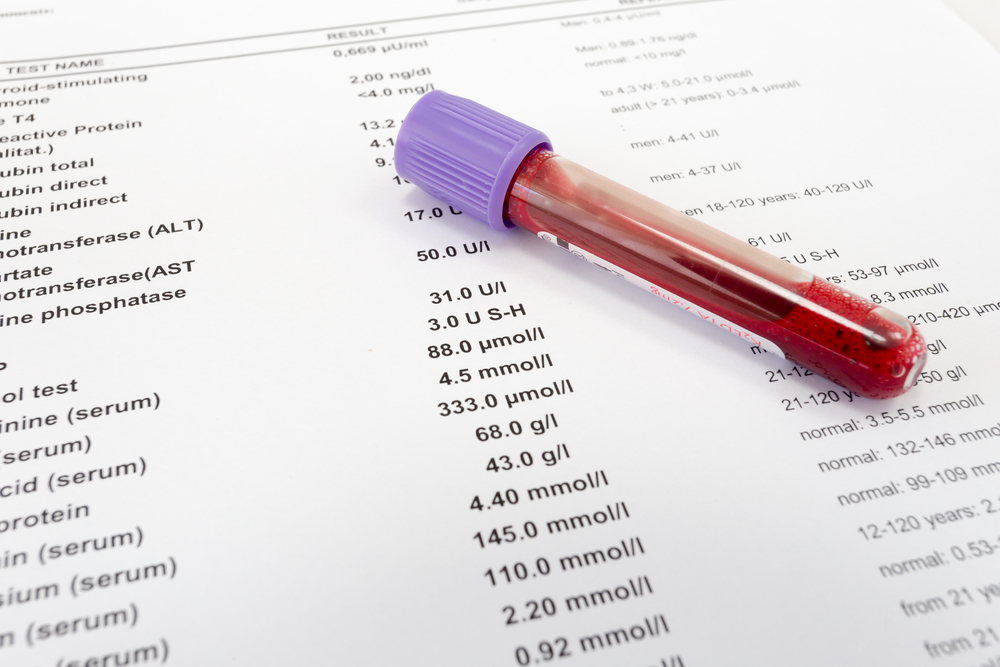
Opening a blood test report feels a bit like opening a mysterious package. You know it’s important… but the mix of abbreviations, arrows, and numbers can look like another language.
The good news?
You don’t need a medical degree to understand the basics. With a little guidance, you can read your report almost the way your doctor does—enough to understand what looks normal, what might need attention, and what questions to ask at your next appointment.
Let’s break it down together, in a calm, simple, friendly way.
1. Meet the “Big Three” in Most Blood Tests
Most standard blood panels include three major categories. Think of them like the three chapters of your health story.
1. Complete Blood Count (CBC)
This section tells you about your blood cells—the workers that keep your body running.
What to look for (and what they mean):
- RBC (Red Blood Cells)
Carry oxygen. Too low = anemia. Too high = dehydration or other conditions. - Hemoglobin (Hgb)
The oxygen-carrying protein. A key indicator of anemia. - Hematocrit (Hct)
Percentage of blood made of red cells. Works closely with Hgb. - WBC (White Blood Cells)
Your immune army. High = infection or inflammation. Low = immune suppression. - Platelets (PLT)
Help blood clot. Low levels can cause easy bruising.
Quick “Doctor-Style” Reading Tip:
If Hgb, Hct, and RBC are all low → almost always anemia.
If WBC is high but lymphocytes are up → viral infection.
If WBC is high but neutrophils are up → bacterial infection.
2. Comprehensive Metabolic Panel (CMP)
This checks your organs, electrolytes, and metabolism.
Key sections inside CMP:
Kidney health
- BUN and Creatinine
High levels = kidneys not filtering properly.
Liver health
- ALT, AST, ALP, Bilirubin
High ALT/AST → liver inflammation
High ALP → bile duct issues
High bilirubin → jaundice risk
Electrolytes
- Sodium, Potassium, Chloride
These affect hydration, blood pressure, nerves, and muscles.
Glucose
- A quick look at blood sugar levels.
High? → possible prediabetes or diabetes.
Friendly Tip:
If potassium is slightly low or high, don’t panic. Even mild dehydration can change it.
3. Lipid Panel (Your Heart Health Snapshot)
This section is all about cholesterol and fats in your blood.
What matters most:
- LDL (Bad cholesterol)
Higher LDL = higher cardiac risk. - HDL (Good cholesterol)
Higher HDL = protective for the heart. - Triglycerides
High levels often link to sugar intake, alcohol, or metabolic issues.
Quick Rule Doctors Use:
HDL high = good
LDL high = needs attention
Triglycerides high = diet-related issues
4. Understanding Reference Ranges (The Numbers on the Right)
Every test shows a “reference range”. This is simply the normal range seen in healthy individuals.
Example:
Hemoglobin: 12.0–15.5 g/dL
If you fall slightly outside the range, it doesn’t automatically mean something is wrong. Doctors look at:
- How far outside the range you are
- Whether multiple values point to the same issue
- Your age, sex, lifestyle, symptoms
Friendly Tip:
One abnormal number rarely means anything serious.
Doctors look for patterns, not single data points.
5. The Arrows: ↑ and ↓ (Your Instant Cheat Code)
Most labs include arrows next to values:
- ↑ means higher than normal
- ↓ means lower than normal
Here’s how doctors mentally process arrows:
- One arrow → mild deviation
- Two arrows → significant deviation
- Down-arrow + low hemoglobin → anemia
- Up-arrow on WBC → infection or stress
- Up-arrow on liver enzymes → inflammation
Arrows don’t diagnose—but they tell you where to look first.
6. What Doctors Check FIRST on Any Report
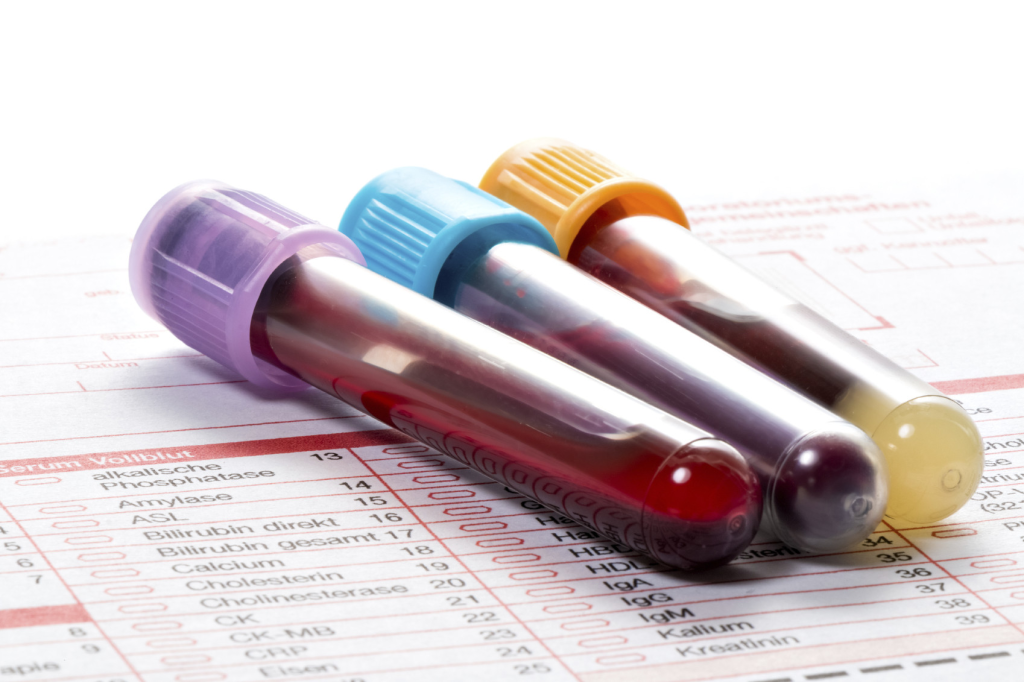
When a doctor receives your blood test, they don’t read line by line. They look at:
- Abnormal values (highlighted or with arrows)
- Patterns (low iron + low Hgb + low MCV = anemia)
- Trends over time (is it getting better or worse?)
- Ratios (ALT vs AST, different WBC types)
- Previous medical history
This is why a doctor might say:
“Your cholesterol is a bit high, but the overall picture is okay.”
7. Mini-Guide: What “Common Abnormal Results” Usually Mean
Here’s a simple guide, written like a normal human would speak:
Low hemoglobin?
Probably anemia. Could come from iron deficiency, heavy periods, poor diet, or chronic conditions.
High glucose?
Your body may not be processing sugar efficiently. A fasting glucose test or A1C might be needed.
High ALT/AST?
Your liver might be irritated. Causes range from alcohol to medication to fatty liver.
High WBC?
Your body is fighting something. Sometimes even stress raises it.
High triglycerides?
Usually linked to diet, alcohol, or not fasting properly before the test.
8. Three Tips to Read Your Report Like a Pro
Tip #1: Compare each abnormal value to the pattern, not the range
Doctors rarely panic over one number. They look at combinations.
Tip #2: Check if the results were fasting or non-fasting
This affects glucose, triglycerides, and even some electrolytes.
Tip #3: Look at your previous results
A value slightly “high” for you could still be normal for your body.
9. When You Should Actually Worry
Red flags that deserve priority follow-up:
- Very high glucose (≥ 200 mg/dL fasting)
- A sudden spike in liver enzymes
- WBC extremely high
- Platelets very low
- Kidney numbers rising quickly (creatinine, BUN)
But again—don’t self-diagnose. Use the numbers as information, not conclusions.
10. When to Call Your Doctor
Call or message your doctor if:
- The report mentions “critical value”
- You have symptoms + abnormal results
- You’re confused and want interpretation
- You’re starting a new medication or treatment
Doctors expect questions about lab reports. You’re not bothering them.
11. The Smartest Way to Use Your Blood Test Report
Think of the report as:
- A snapshot of your body today
- A tool for early detection
- A guide for lifestyle adjustments
- A map to track improvements over time
You don’t need to understand everything.
You just need enough to ask the right questions—and this guide gives you exactly that.