What you eat — or don’t eat — before a blood test can significantly affect your results. Many people don’t realize that certain foods, drinks, and habits can skew blood test numbers, leading to inaccurate results or the need for repeat testing.
In this comprehensive guide, you’ll learn what to eat before a blood test, what to avoid, which tests require fasting, and how to properly prepare so you get the most accurate results possible.
Why Diet Matters Before a Blood Test
Blood tests measure substances circulating in your bloodstream. What you consume in the hours (or days) before testing can temporarily change levels of:
- Blood sugar
- Cholesterol
- Triglycerides
- Electrolytes
- Liver enzymes
Even healthy foods can affect certain test results if eaten too close to your appointment.
Proper preparation helps:
- Improve accuracy
- Avoid false abnormal results
- Prevent unnecessary follow-up testing
- Save time and money
Do You Need to Fast Before a Blood Test?
Not all blood tests require fasting — but some do.
Blood Tests That Commonly Require Fasting (8–12 Hours)
- Lipid panel (cholesterol test)
- Fasting blood glucose
- Triglycerides
- Metabolic panels (in some cases)
Blood Tests That Usually Do NOT Require Fasting
- Complete Blood Count (CBC)
- Thyroid tests
- Most hormone tests
- Vitamin D (often optional)
- STD blood tests
Always follow the instructions provided by your blood test center.
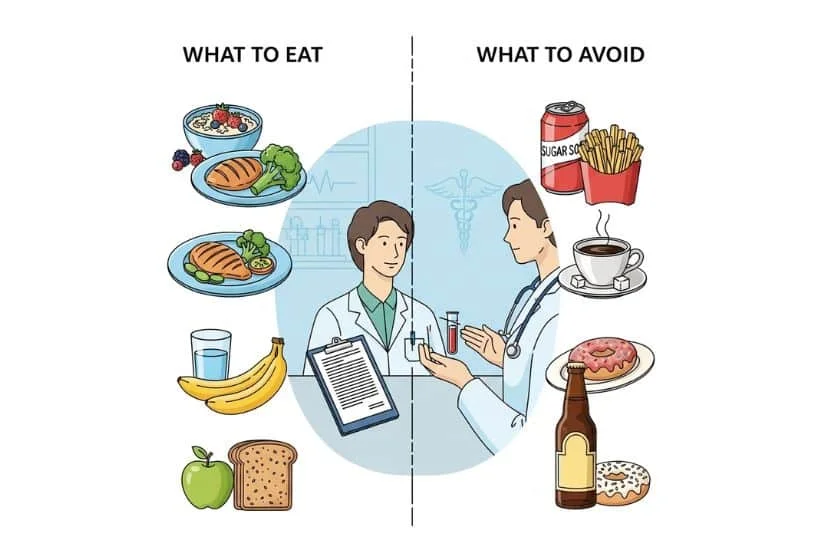
What to Eat Before a Blood Test (If Fasting Is NOT Required)
If your test does not require fasting, choosing light, balanced foods can help avoid abnormal results.
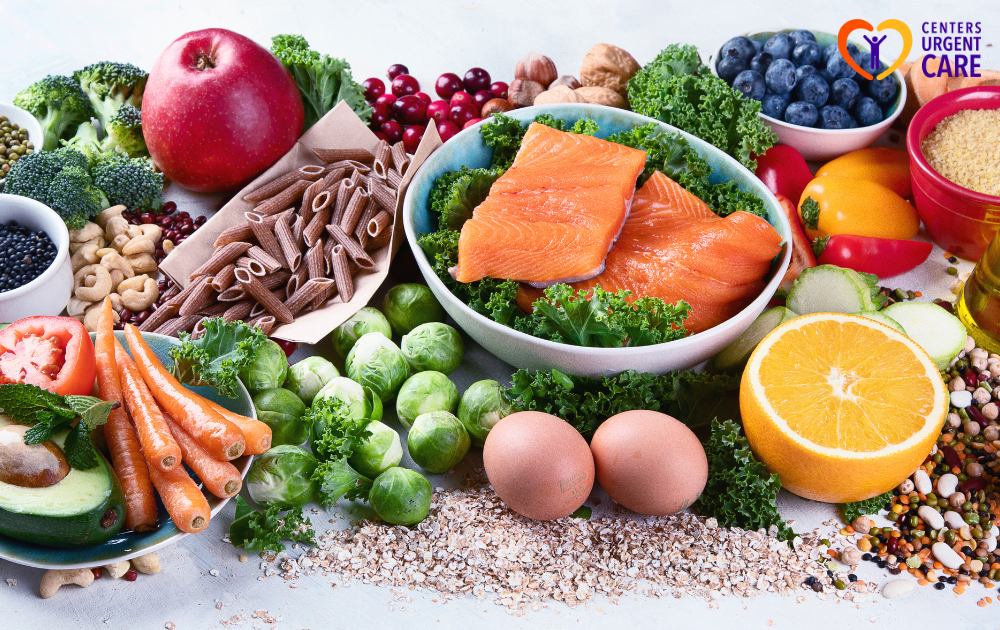
Best Foods to Eat Before a Blood Test
1. Lean Proteins
Examples:
- Eggs
- Chicken breast
- Fish
- Tofu
Protein helps stabilize blood sugar and won’t dramatically affect most test results.
2. Whole Grains (In Moderation)
Examples:
- Oatmeal
- Brown rice
- Whole-grain toast
Avoid large portions to prevent blood sugar spikes.
3. Fruits and Vegetables (Low Sugar Options)
Best choices:
- Berries
- Apples
- Spinach
- Broccoli
- Cucumbers
Avoid very sugary fruits if testing glucose or triglycerides.
4. Water (Very Important)
Hydration helps:
- Make blood draws easier
- Prevent falsely high concentrations
- Improve test accuracy
Drink water unless specifically instructed not to.
What to Eat Before a Fasting Blood Test
If you’re fasting, your focus should be on what you eat the day before.
The Day Before Your Blood Test
Eat:
- Lean proteins
- Vegetables
- Whole foods
- Moderate portions
Avoid:
- Heavy meals late at night
- Excess sugar
- Fried or fatty foods
The Morning of the Test
- Do NOT eat food
- Drink water only
- Avoid coffee, tea, juice, or supplements unless approved
What to Avoid Before a Blood Test (Very Important)
Certain foods and habits can significantly affect results.
1. Sugary Foods and Drinks
Avoid:
- Candy
- Soda
- Pastries
- Sweetened coffee drinks
These can spike:
- Blood glucose
- Triglycerides
- Insulin levels
2. Alcohol (Avoid for 24–48 Hours)
Alcohol can affect:
- Liver enzymes
- Blood sugar
- Triglycerides
- Hydration levels
Even moderate drinking can distort results.
3. Fatty and Fried Foods
Avoid:
- Fast food
- Fried meats
- Heavy sauces
- Cream-based dishes
High-fat meals can elevate triglyceride levels for hours.
4. Caffeine (If Fasting)
Coffee and energy drinks may:
- Increase blood sugar
- Affect cortisol levels
- Impact hydration
Stick to water only unless instructed otherwise.
5. Supplements (Unless Approved)
Some supplements affect results, including:
- Biotin (vitamin B7)
- Iron
- Herbal supplements
Always tell the lab what supplements you take.
How Long Should You Fast Before a Blood Test?
Most fasting blood tests require:
- 8 to 12 hours of fasting
During this time:
- Water is allowed
- Food, alcohol, and sugary drinks are not
Fasting longer than required is usually unnecessary and may cause dizziness.
Can You Drink Water Before a Blood Test?
Yes — and you should.
Drinking water:
- Makes veins easier to find
- Reduces dehydration
- Improves accuracy
Avoid flavored water, juice, or sports drinks.
Should You Take Medications Before a Blood Test?
This depends on the medication.
General guidance:
- Take prescription medications unless told otherwise
- Some medications may affect results
- Inform the lab about all medications you take
Never stop medication without medical advice.
What Happens If You Eat Before a Fasting Blood Test?
Eating before a fasting test can:
- Invalidate results
- Require rescheduling
- Lead to inaccurate diagnosis
If you accidentally eat:
- Inform the lab staff
- They may still perform the test or reschedule
Where to Get a Blood Test Near You
You can get blood tests at:
- Walk-in blood test centers
- Independent labs
- Community clinics
- Online blood testing providers
Many walk-in centers provide:
- Clear preparation instructions
- No appointment needed
- Fast results
👉 BloodTestCentersUSA.com helps you find blood test centers near you, compare options, and prepare correctly for your test.
Tips to Get the Most Accurate Blood Test Results
- Follow fasting instructions carefully
- Drink water
- Avoid alcohol before testing
- Get tested in the morning if fasting
- Ask questions if unsure
Good preparation leads to better results.
Preparation Makes a Difference
Knowing what to eat and avoid before a blood test can make a big difference in result accuracy. Simple steps — like choosing the right foods, avoiding alcohol, and staying hydrated — help ensure your test reflects your true health status.
Before your next test, prepare properly and use BloodTestCentersUSA.com to find reliable blood test centers near you with clear instructions and convenient locations.